
What Opcenter Execution Electronics is
A dedicated electronics MES. It governs workflows, materials, machines and quality inside a single Digital Thread, linking PLM and ERP directly to the shop floor.
01
What it does
Keeps the floor building exactly what engineering defined — materials, machines and the order of work.
02
Where it sits
Between PLM and ERP above, and the SMT and assembly lines below.
03
What you get
Faster new product introduction, fewer defects, and traceability down to the component on the panel.
Why Choose Opcenter ?
Orchestrate Speed, Complexity, and Constant Change
High-Mix, High-Volume Control
Seamlessly manage flexible workflows and high product variability.
Real-Time Visibility
Monitor work-in-progress (WIP), trends, and overall equipment effectiveness (OEE).
Build It Right the First Time
Drastically reduce engineering-to-production cycles and eliminate paper-based errors.
Five core capabilities
New product introduction (NPI)
- Carry design data down to the floor without re-creating documents
- Build to what was actually designed, with paperless workflows
- Send design and engineering issues found on the floor straight back to PLM in a closed loop
- Cut the number of revision and pilot-run cycles before full
Traceability and compliance
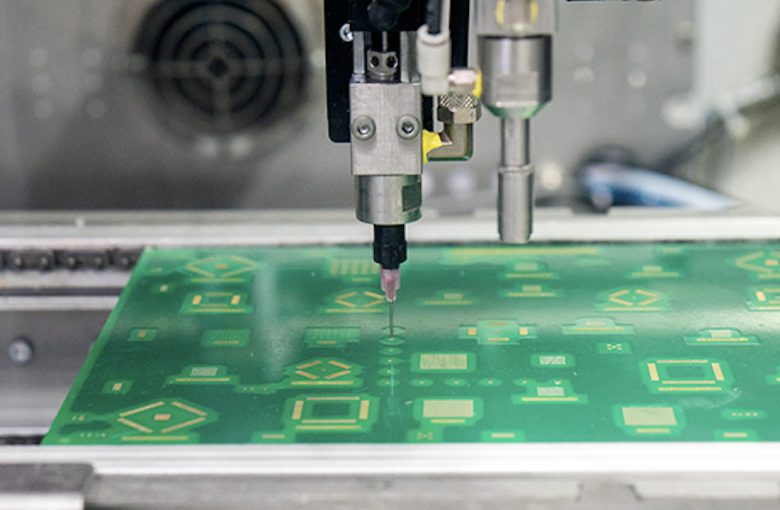
- Track serial numbers from component level up to the panel
- Keep the disposition of work, process conditions, quality history and material usage together
- Pull the as-built record of any panel the moment a customer asks
- Cover both PCB and box-build production in one system
Capacity and performance
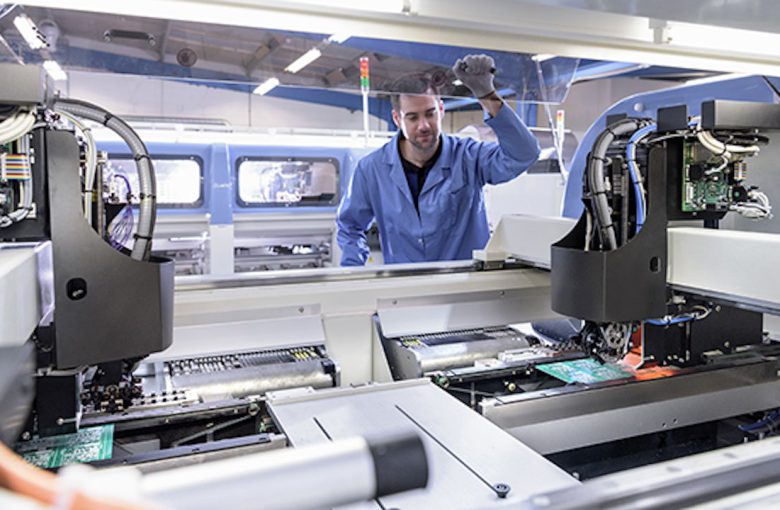
- Build detailed plans and schedules that balance demand against real capacity
- Balance work across SMT and assembly lines at the same time
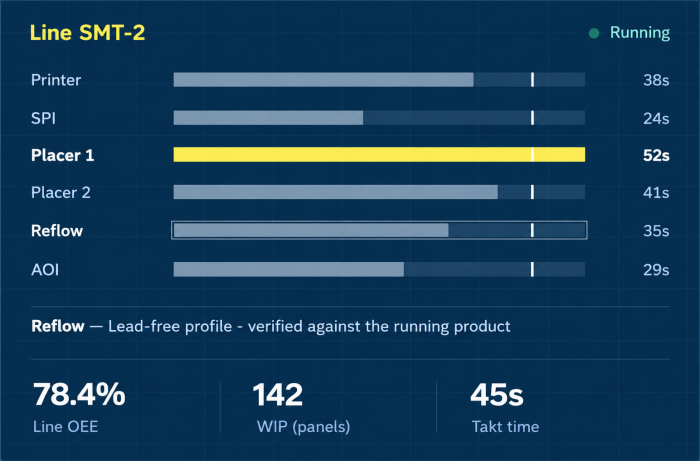
- Reduce downtime and line bottlenecks to raise OEE
- See which station is holding the line back while there is still time to act
Material flow
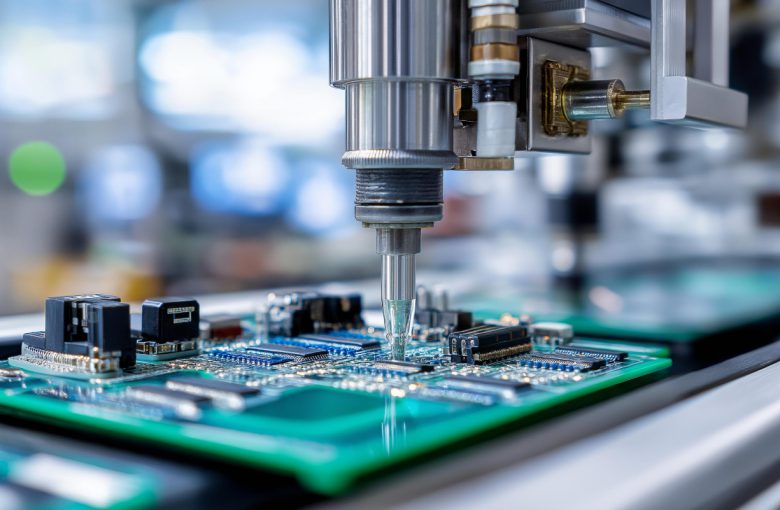
- Apply just-in-time together with intraplant logistics
- Track inventory as it moves, not as it was at the last count
- Reduce material waste and stock sitting at the line
- Warn before a feeder runs empty, so the line does not stop and wait
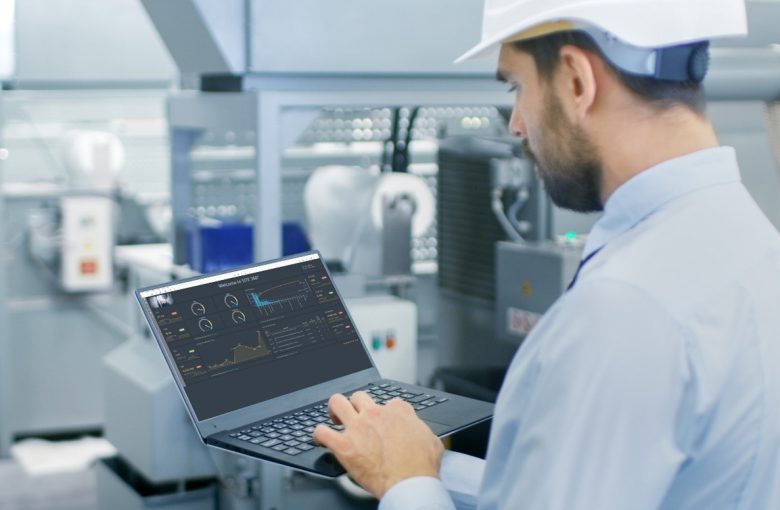
Quality and shop floor efficiency
- Hold materials, equipment and operators to exactly what engineering defined
- Built-in inspection tools catch defects early
- Electronic work instructions guide operators step by step
- Lower training cost and shorten repair time
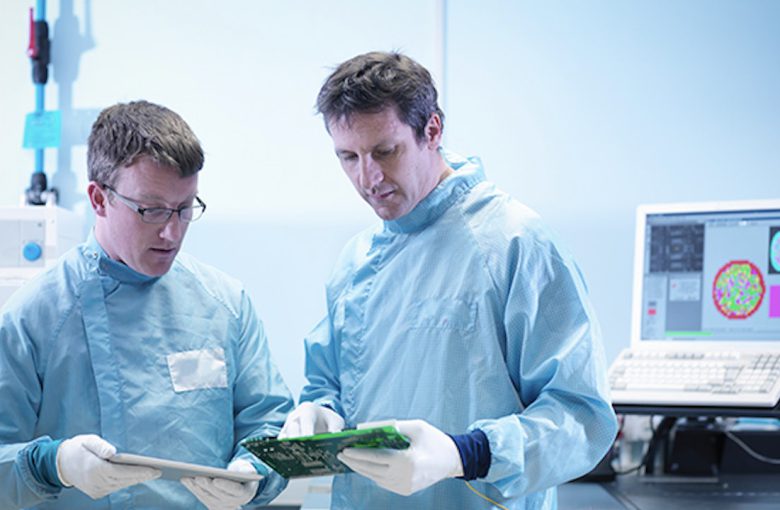
How this differs from running the floor the old way
A design change means redoing the paperwork
The floor is still building to the old version when the change arrives.
Changeovers eat the shift
New setup, verification and waiting for documents take hours.
Nobody knows where the bottleneck is
You see the end-of-shift number, not which station caused it.
Tracing takes days
A customer asks about a component lot and someone goes through the records by hand.
Material piles up at the line
Too much of some parts, still short of others, and the line stops anyway.
Defects surface at the end of the line
A wrong part is found after the whole lot has gone through reflow.
The new design reaches the floor at once
Data flows from PLM to the line with no document to reprint.
Changeovers get much shorter
The system verifies the setup and the material instead of someone walking over to check.
The bottleneck shows up while you can still fix it
You see which station is over takt during the shift, not after it.
Tracing takes seconds
Enter a panel serial and every component lot on it comes up.
Material arrives when it is needed
JIT together with intraplant logistics cuts both the pile-up and the waiting.
Defects get caught early
Components are verified before placement and checked at every in-process step.
Electronics production under system control
Every component placed on a panel is recorded with its lot and position.
SMT line status and OEE come straight from the machines.
Transform Your Electronics Manufacturing Today
Don’t let disconnected plants or slow engineering cycles hold your business back. Embrace Industry 4.0 and smart manufacturing with Siemens Opcenter.

