
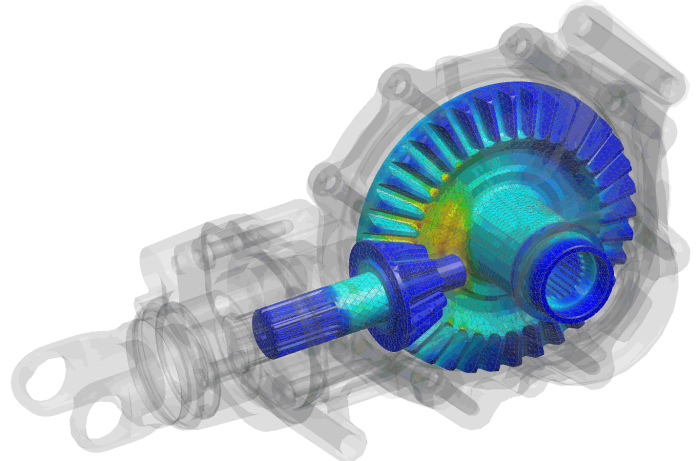
How Structural Analysis is Done ?
1.Model Preparation
Import geometry from CAD or create simplified models.
Clean up and define materials, properties, and connections.
2.Meshing (except in meshless tools like Simcenter™ Simsolid™)
Discretize the model into finite elements for numerical analysis.
3.Load & Boundary Conditions
Apply forces, pressures, thermal effects, constraints, and contacts that replicate real-world conditions.
4.Solver Execution
Use the selected solver (ADVC, Optistruct®, Radioss®, Nastran, etc.) to calculate structural responses under defined conditions.
5.Post-Processing & Interpretation
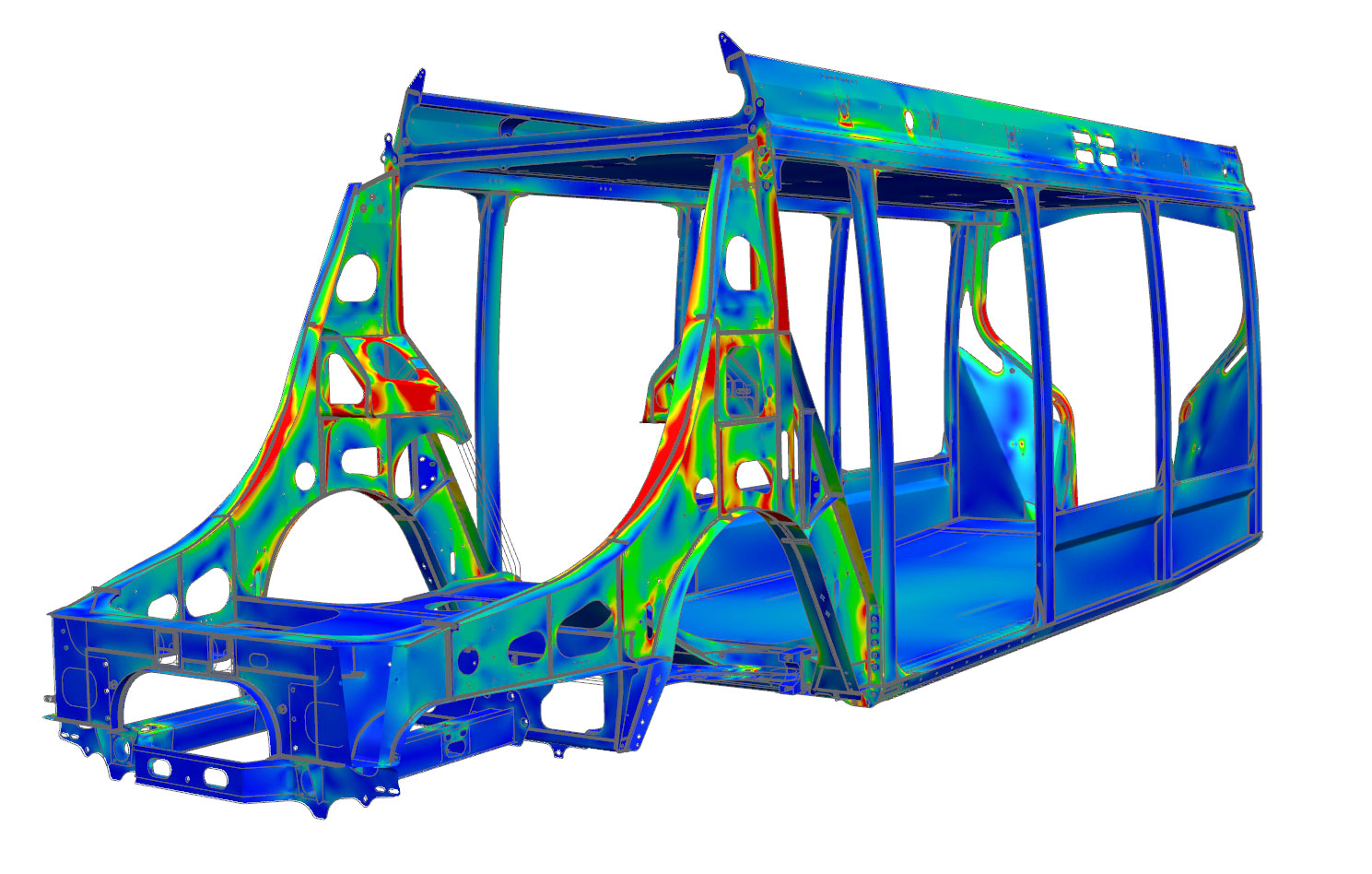
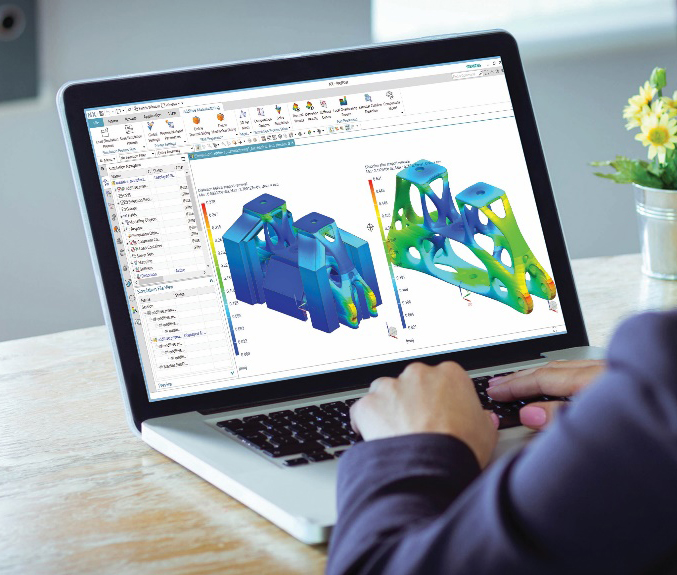
Visualize results such as stresses, strains, displacements, vibration modes, and failure points.
Optimize design based on insights.
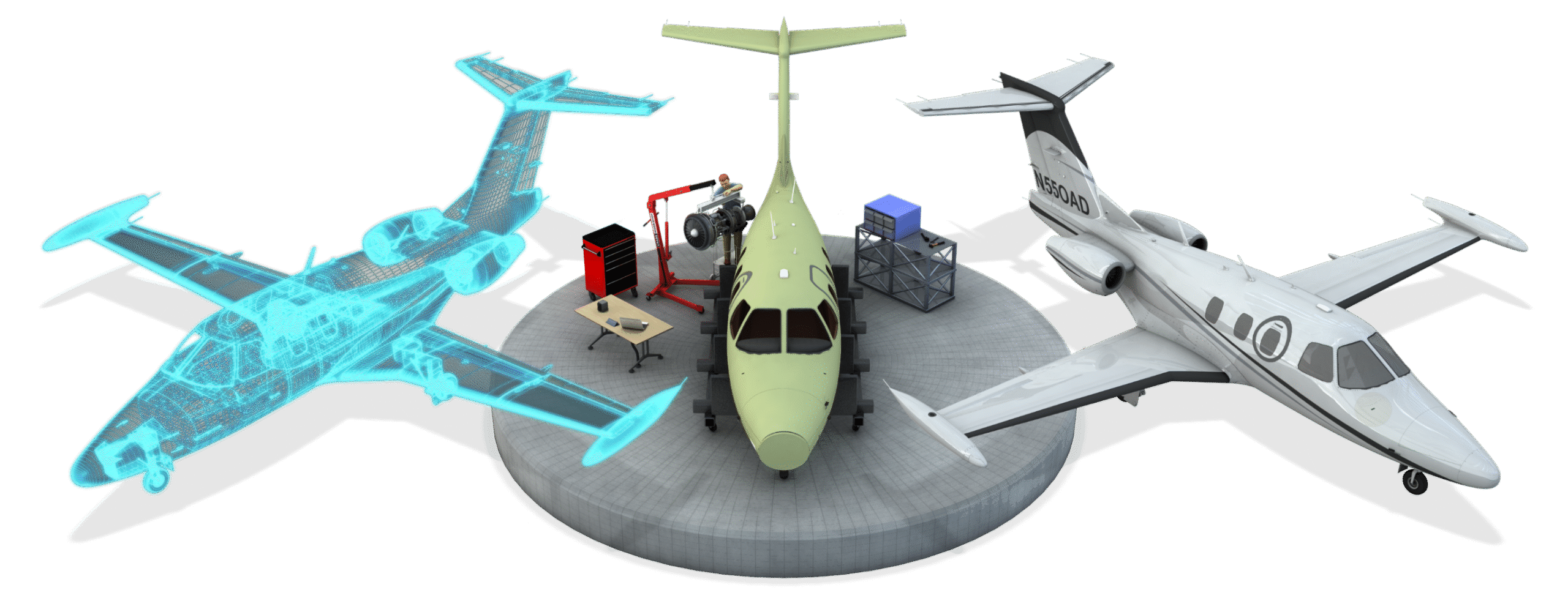
Benefits of Structural Analysis Tools
Reduce Physical Testing: Minimize prototypes, saving cost and time.
Improve Design Reliability: Identify weaknesses early in the design cycle.
Support Innovation: Enable lightweighting and material optimization.
Speed to Market: Accelerate decision-making with virtual validation.
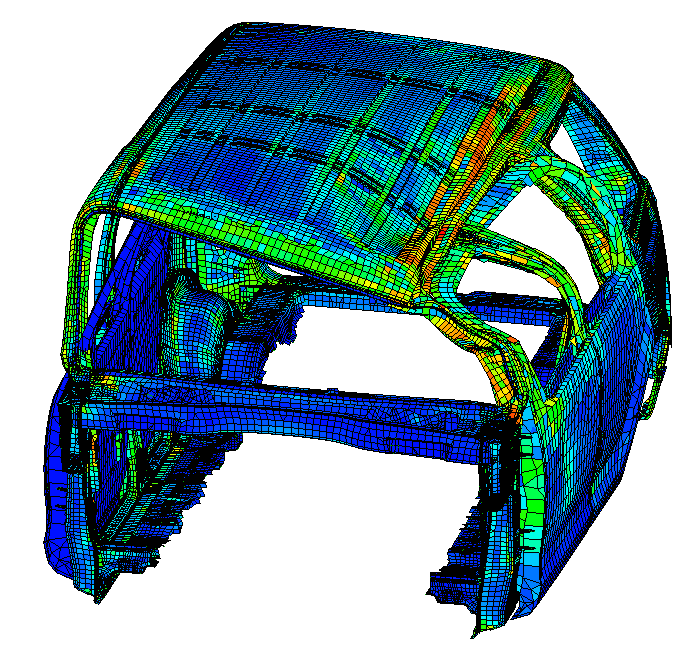
Who needs Structural Analysis ?
Engineers and Manufacturers who need to reduce number of prototyping
Engineers who need better product performance and life cycle

