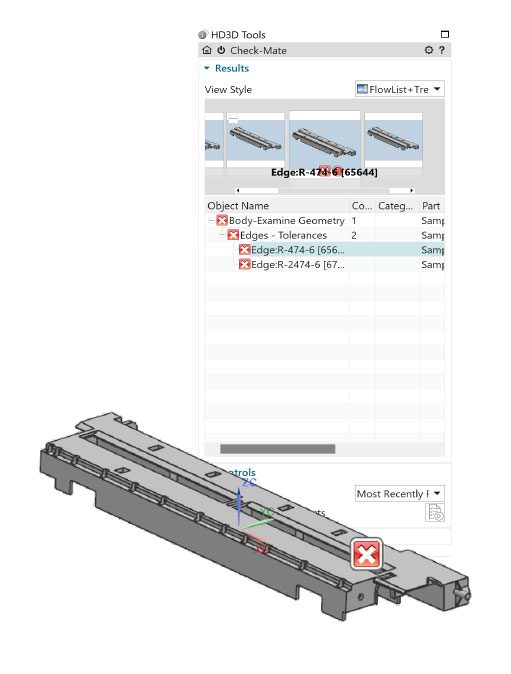
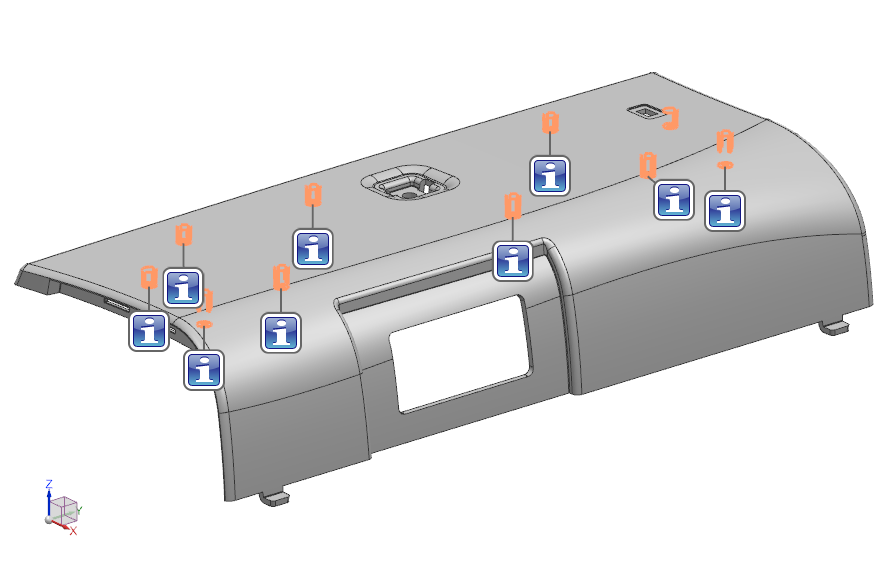
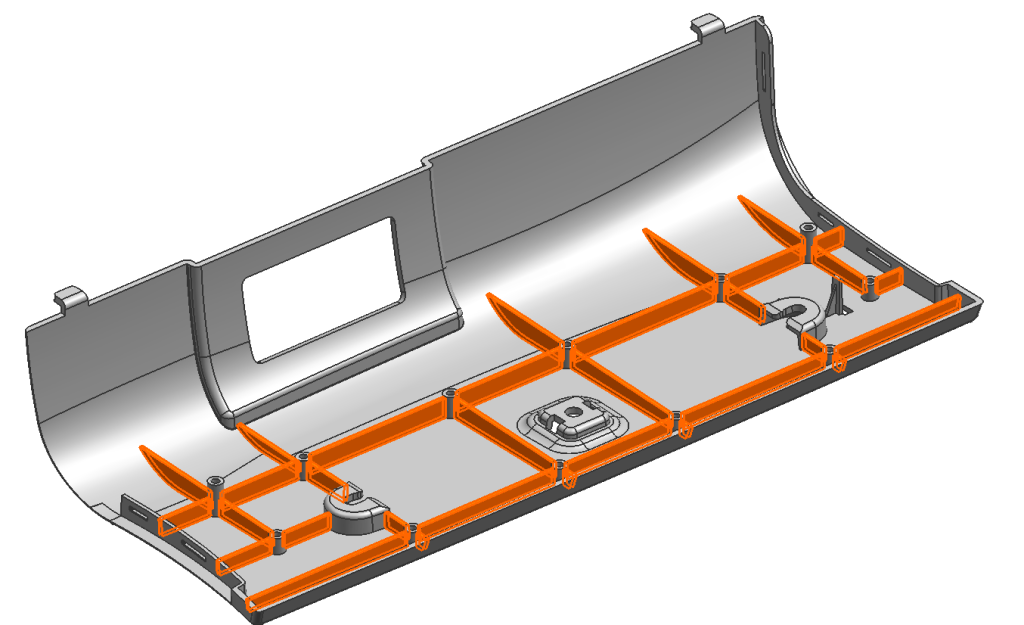
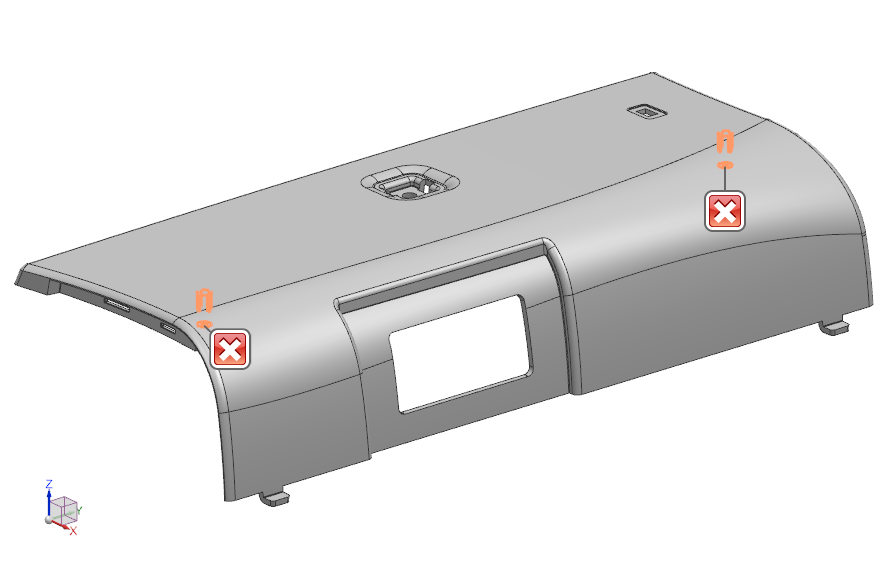
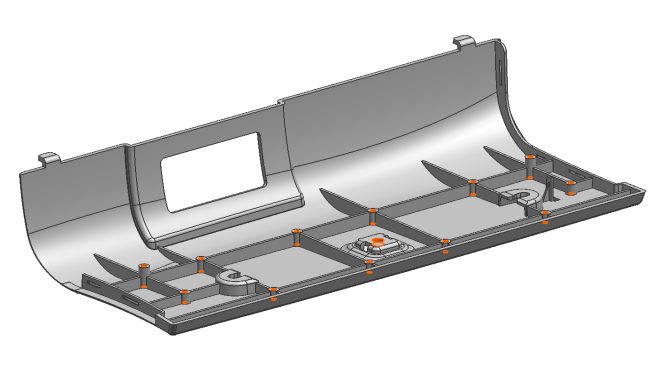
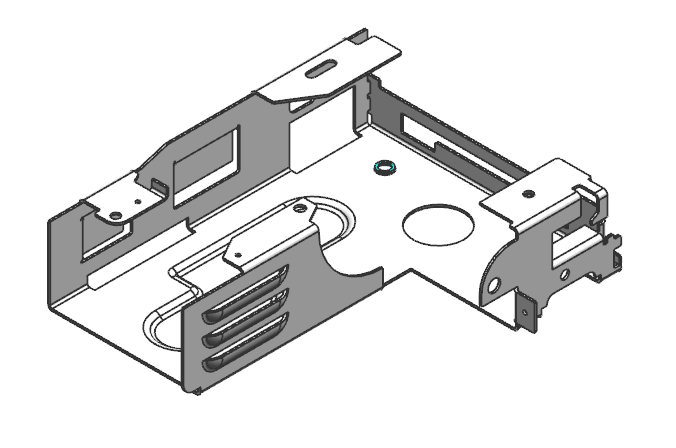
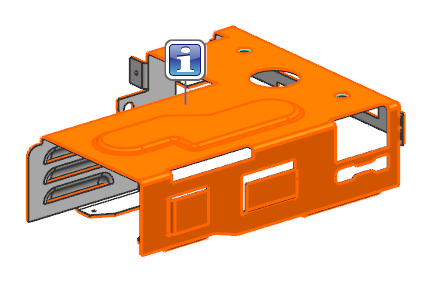
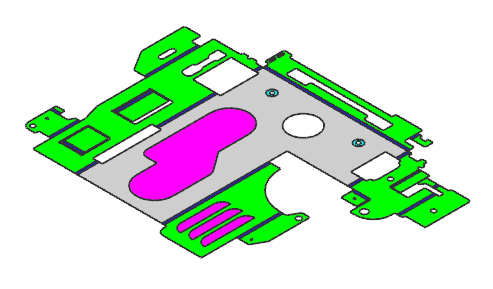
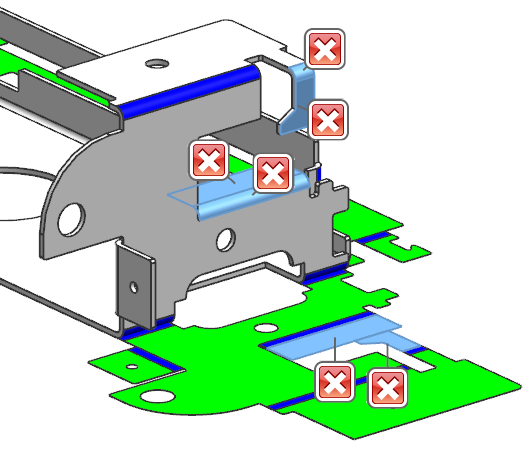
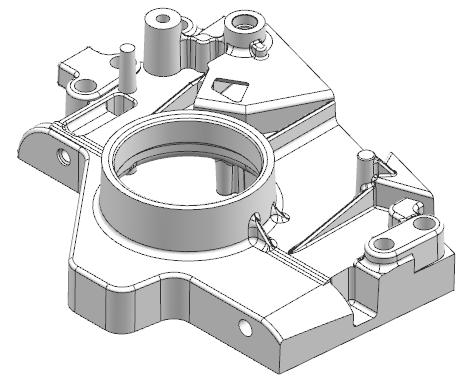
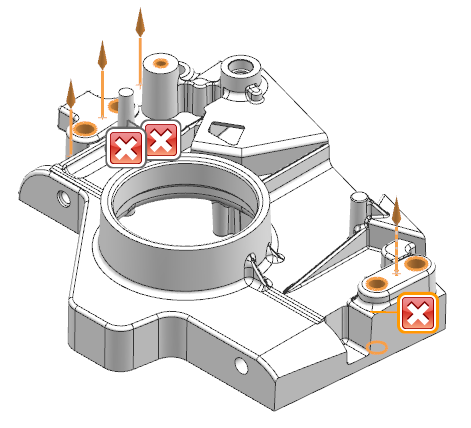
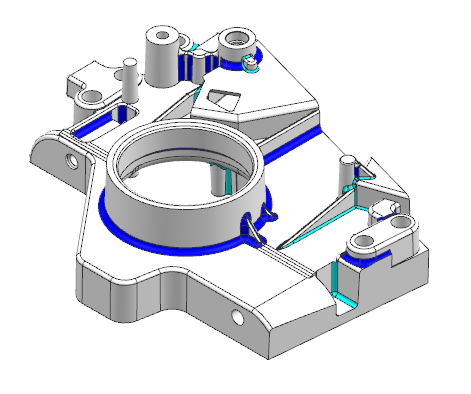
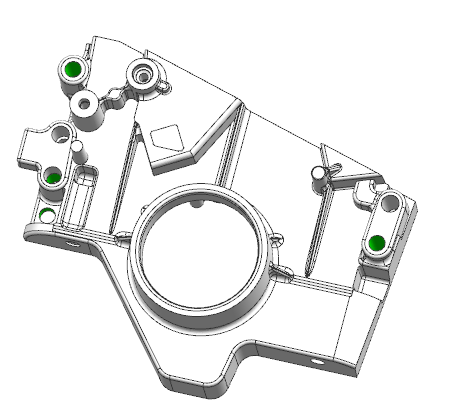
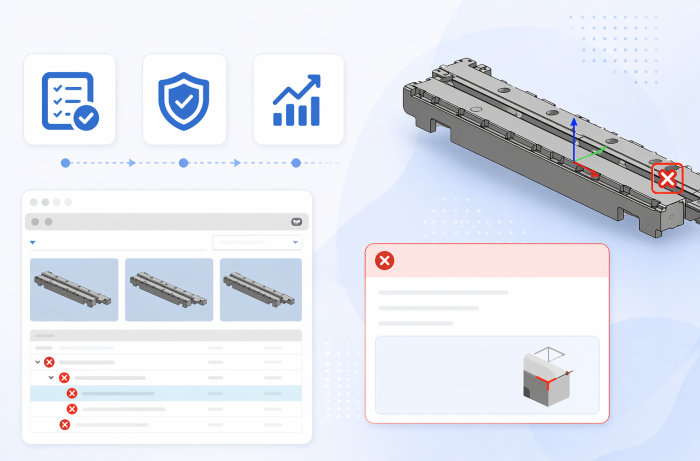
The purpose of the Production Requirements Checker is to check part shapes in order to improve productivity in both the post-processes of “mold manufacturing” and “mass production of molded products.”
Production Requirements Checker helps engineering teams validate whether part geometry is easier to manufacture before mold, tooling, and production issues become expensive.
22
Plastic part verification items
14
Sheet metal verification items
NX
Integrated checking workflow
1
Single review environment
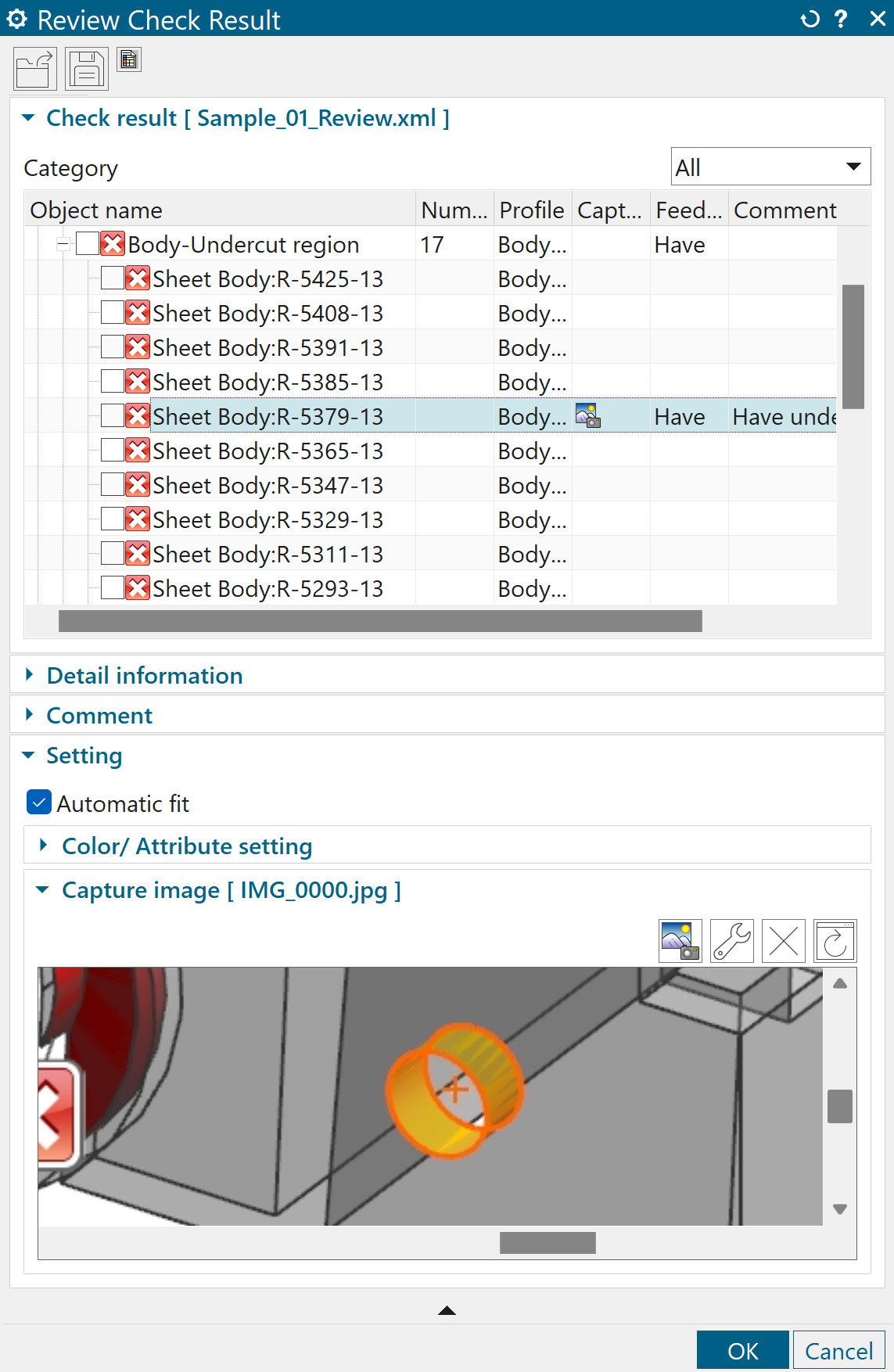
Review dashboard
Manufacturing requirement checks
Plastic parts
Shape checks for mold manufacturing readiness
22 items
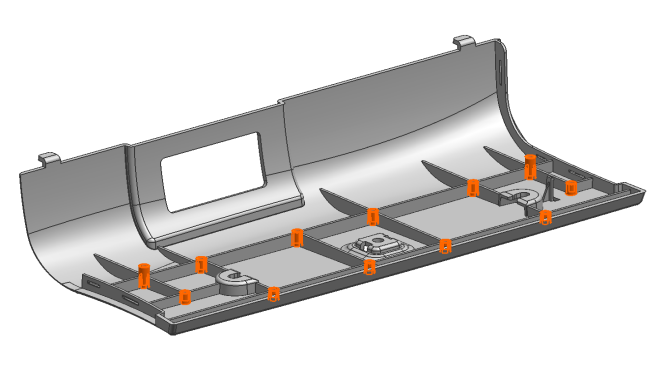
Ribs, bosses, and round holes
Deep grooves and cutting areas
Undercuts and sharp corners
Draft angle validation
Sheet metal
Bend and unfolded-shape validation
Bending height
Minimum hole diameter
Flange escape
Die-cast
Spacing and corner condition checks
Corner radius checks
Hole spacing
Boss spacing
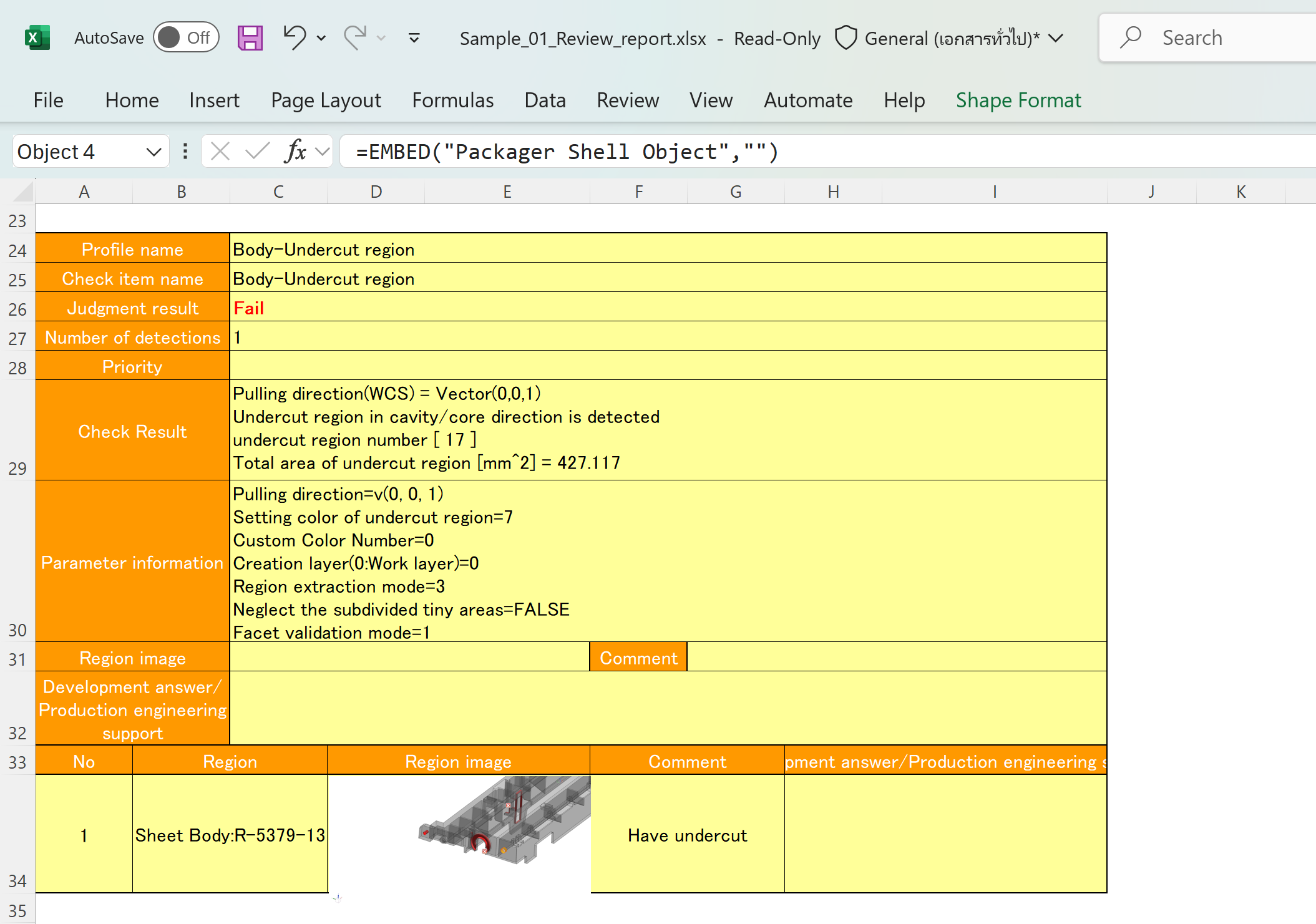
Report support
Capture findings and communicate changes with clearer design-to-manufacturing feedback.
REPORT + COMPARE
OVERVIEW
A better way to review producibility before manufacturing starts.
Production Requirements Checker is designed for teams that want to verify whether product shapes align with practical manufacturing requirements while still meeting design intent. By automating key checks, the module helps reduce overlooked issues, shorten review effort, and improve design quality earlier in the process.
Why teams use it
Catch manufacturability concerns before mold or tooling work advances
Reduce manual visual review and person-dependent decisions
Create a more repeatable review standard across engineers
Support smoother communication between design and manufacturing
Verification library
Purpose-built check categories for common manufacturing scenarios.
From molded plastic parts to sheet metal and die-cast components, PRC provides a structured set of checks to help engineering teams review geometry with production constraints in mind.
Plastic parts
Representative items from 22 checks
Ribs, bosses, and round holes
Deep grooves and cutting areas
Undercuts and sharp corners
Draft angle validation
Wall thickness balance
Projected area and machinable depth
Sheet metal parts
Representative items from 14 checks
Bending height
Minimum hole diameter
Flange escape
Burring size
Hole-to-edge distance
Unfolded shape validation
Die-cast parts
Typical spacing and geometry review items
Corner radius checks
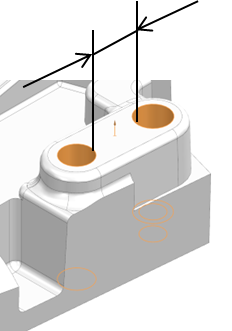
Hole spacing
Boss spacing
Hexagonal seat checks
Minimum corner conditions
Space validation
BENEFITS
A more premium review workflow for
engineering organizations.
Designed to help engineering teams work faster, maintain greater consistency, and seamlessly connect design to manufacturing.
Verify earlier in NX
Run production-oriented checks directly on 3D models inside NX before downstream tooling work begins
Standardize review logic
Reduce person-dependent checking and make manufac-turability review more consistent across teams.
Work with reused CAD data
Support non-history solid models to help teams review supplier or imported geometry more efficiently.
Communicate findings clearly
Create feedback reports and highlight change areas for smoother design-to-manufacturing collaboration.
Use case fit
Built for design teams working toward production readiness.
PRC is especially useful when engineering teams need a repeatable and practical way to evaluate geometry against production-oriented design rules for mold manufacturing and related downstream processes.
Earlier verification
Review producibility before avoidable issues flow downstream.
Consistent checks
Apply common veri-fication logic across projects and engineers
Clearer collaboration
Share findings in a format that supports design and manufac-turing discussion.